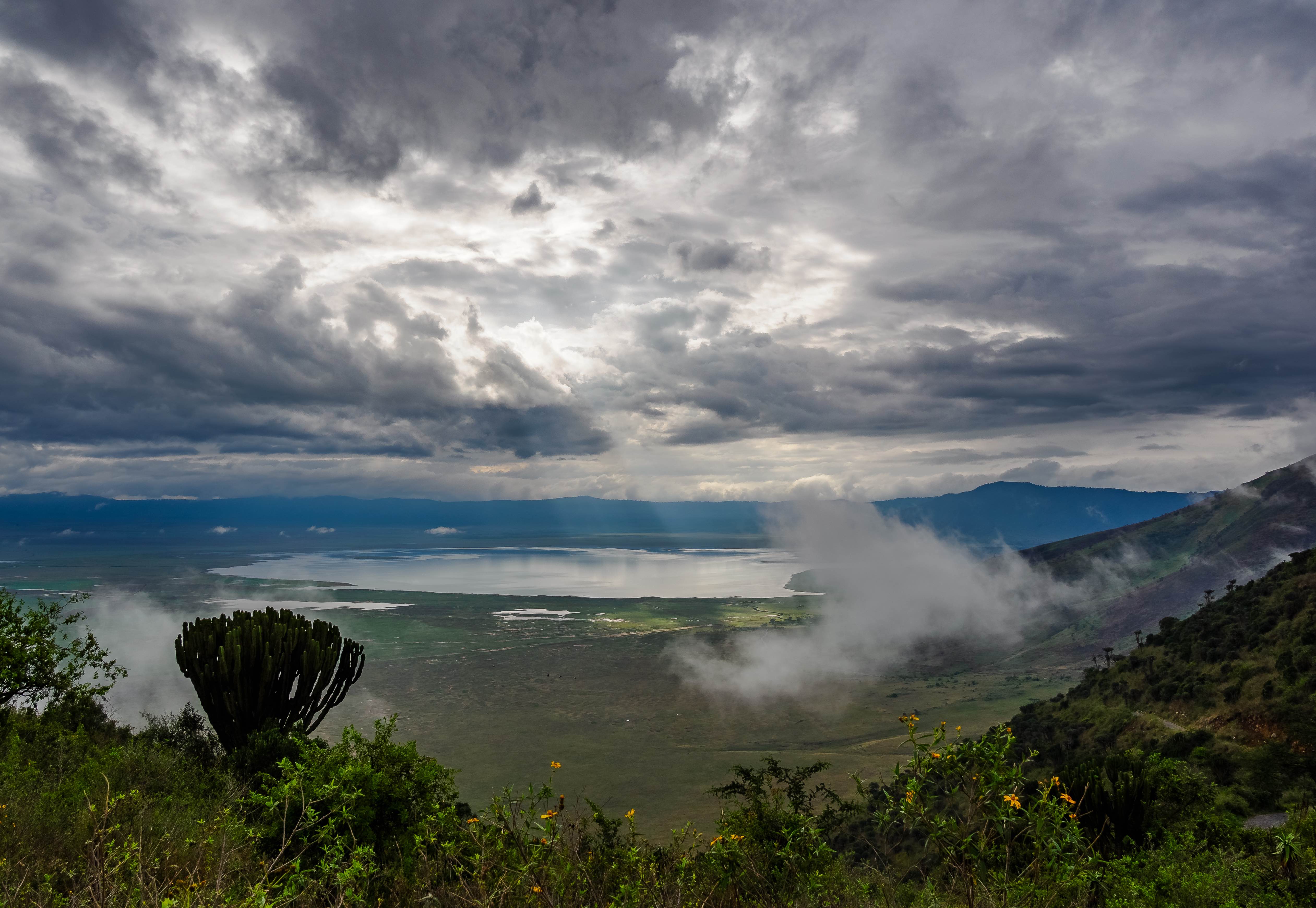

Most people picture a safari lodge like a game park in reverse: you're inside a fence, the animals are outside it. In many of the best camps, that's actually not true. There's no perimeter, no boundary, no gate between your tent and the bush. Elephants browse past the dining tent. Hippos graze the paths at night. A pride of lions can walk straight through camp on their way to a kill, and the only thing between you and them is a Maasai warrior with a torch walking you back to your tent.
We have put together a guide on how and why to choose to stay in an unfenced lodged, with a selection of our favorite unfenced lodges from our curated offering across Kenya, Tanzania, and Zimbabwe. Every camp below is bookable directly through Gotukio. If you've only ever stayed in a fenced lodge, this is the version of safari that changes how you think about the word "wild."
What Does "Unfenced" Actually Mean on Safari?
Most tented camps in the Masai Mara conservancies and reserve, a significant number of lodges inside Tanzania's national parks, camps in Kenya's Samburu National Reserve, and many concession camps in Zimbabwe's Hwange National Park have no perimeter fence at all. Wildlife moves through camp on its own paths, on its own schedule. This isn't a gimmick or a rare event: elephants regularly pass within metres of tents, hippos graze on camp lawns at night when they leave the river to feed, and predators cross camp footpaths as part of their normal territory. The Masai Mara National Reserve and its surrounding conservancies have no boundary fence anywhere, and the same is true of most camps inside Tanzania's Serengeti and Mikumi National Parks, Samburu, and the private concessions bordering Hwange.
Fences do exist in East African safari, but usually for the opposite reason people assume: some sanctuaries fence to keep certain animals out of a managed area, not to pen wildlife in. The camps on this list sit inside genuinely open ecosystems, which is a large part of why they're both such good wildlife-viewing bases and such distinctive places to sleep.
Fenced vs Unfenced Camps: Pros and Cons
Why choose an unfenced camp
Wildlife sightings happen in camp, not just on drives which means elephants, giraffe, and sometimes big cats pass within view of the tent or common areas
A genuinely different sleep experience: falling asleep to hippos grunting or a lion calling nearby
Usually located in low-density private conservancies, so fewer vehicles, fewer people, more space
Night walks back to your tent with an armed or trained Maasai escort are part of the experience, not an afterthought
Why not to choose an unfenced camp
You cannot walk around camp alone after dark. An escort is mandatory at almost every property on this list
Not ideal for families with very young children who can't reliably follow instructions at night
Slightly higher baseline anxiety for first-time safari travellers until the camp's safety routine becomes familiar
Some properties limit or restrict children under a minimum age for exactly this reason so check before booking
7 Safari Accommodations Where Wildlife Walks Right Through Camp
1. Mara Serena Safari Lodge; Mara Triangle, Kenya
Perched on Ol Donyo Oseiya hill, Mara Serena is the only permanent lodge inside the Mara Triangle, the western sector of the Masai Mara National Reserve managed separately by the Mara Conservancy and known for being less crowded than the reserve's eastern side. It sits directly on the Great Migration's river-crossing route, with sweeping views over the plains from its Maasai-manyatta-inspired rooms. Both Expert Africa and Kuoni confirm the property's unfenced status directly, with Kuoni describing it plainly as "this traditional camp is unfenced so grazing animals often pass through." It's owned by Serena Hotels, part of Gotukio's verified Kenya supplier network.
Best for: front-row migration crossing views with the infrastructure of a larger lodge.
2. Elephant Bedroom Camp; Samburu National Reserve, Kenya
Set on the banks of the Ewaso Nyiro River under towering doum palms, Elephant Bedroom Camp sits directly on an elephant corridor in Samburu, Kenya's arid northern frontier and home to species you won't see further south, like Grevy's zebra and the reticulated giraffe. Specialist operator Audley Travel states plainly that "the camp is unfenced, so children must be supervised at all times," and elephants regularly pass within metres of the raised tents on their way to and from the river.
Best for: pairing with a Mara or Laikipia safari for a genuinely different landscape and wildlife list.
3. Sala's Camp; Masai Mara National Reserve, Kenya
Hidden in the far south of the Masai Mara National Reserve, where the Sand and Keekorok rivers meet close to the Tanzanian border, Sala's Camp is the original property of The Safari Collection, Gotukio's verified Kenya supplier. Guests often go entire game drives without meeting another vehicle, and the resident lion pride can be heard roaring at night from camp. The Safari Collection's own fact sheet for the property lists it plainly as "unfenced, 24-hr security."
Best for: a remote, low-traffic corner of the Mara without conservancy fees.
4. Serengeti Serena Safari Lodge; Serengeti National Park, Tanzania
Designed like a traditional Maasai village on a ridge overlooking the Serengeti's central plains, Serengeti Serena is a 66-room lodge with sweeping views and an infinity pool over the grassland below. Both Expert Africa and Yellow Zebra Safaris confirm the property's unfenced status directly: Expert Africa notes that "the lodge is not fenced and game wanders in freely throughout the day and night," while Yellow Zebra describes it as "unfenced and located in a wildlife area." It's also one of the more family-friendly options on this list, with interconnecting rooms available.
Best for: families wanting the unfenced experience with a larger lodge's amenities.
5. Vuma Hills Safari Camp; Mikumi National Park, Tanzania
Vuma Hills sits on a private concession inside Mikumi National Park, elevated on a wooded ridge overlooking the Mkata floodplain, one of the most reliable game-viewing plains in southern Tanzania. Elephant and buffalo herds move across the open grounds below camp, and its owner, Foxes Safari Camps, describes it directly on its own site as "this unfenced camp." Being on a concession rather than in the more heavily visited parts of the park means night drives and off-road tracking are both permitted.
Best for: combining with a southern Tanzania circuit rather than the busier northern parks.
6. The Hide; Hwange National Park, Zimbabwe
The Hide sits on a private concession on the eastern edge of Hwange National Park, overlooking a pumped waterhole that draws elephant, buffalo, giraffe, and the occasional hyena or lion right up to camp, day and night. Yellow Zebra Safaris confirms the property "is unfenced and located in a wildlife area," and the camp's namesake feature is an underground viewing hide that guests can reach directly from the main deck without a guide, putting you at eye level with elephants a few metres away. It's consistently rated one of the best tented camps in Zimbabwe, and it's a strong choice if your itinerary includes Victoria Falls, about two hours away by road.
Best for: pairing with Victoria Falls, and for the closest, most controlled wildlife-viewing experience on this entire list.
7. Amani Mara Camp; Olare Orok Conservancy, Kenya
Amani Mara sits in the Olare Orok Conservancy, one of the Mara's premium big-cat conservancies, on a river frequented by hippo and crocodile. The camp's stone-and-canvas tents each have a private deck facing the plains, and night drives here regularly turn up leopard, lion, hyena, and porcupine, species you won't see after dark inside the national reserve, where night drives aren't allowed.
Best for: serious predator sightings in a lower-density conservancy.
How Camps Keep You Safe Without a Fence
No fence doesn't mean no rules, and every reputable unfenced camp runs a tight safety routine that's worth knowing before you book:
You're always escorted after dark. A guide or Maasai warrior with a torch walks you between the main tent and your room after dinner, every single night, no exceptions.
You stay inside your tent once zipped in. Camps brief every guest on this on arrival, and it's non-negotiable, not a suggestion.
Radios or a whistle/horn are provided in every tent for genuine emergencies, connecting you directly to camp staff.
Staff track animal movement daily. Camp teams know where elephants and predators are moving each day and route escorts accordingly.
Children have minimum age requirements at some properties, usually 6 or 7 and up, specifically because of the unescorted-movement risk.
This is honest information, not a scare tactic: in decades of operation, incidents at well-run unfenced camps are rare precisely because the protocols work. It is a genuinely different experience from a fenced hotel-style lodge, and it's worth going in with clear expectations.
Ready to start planning? On Gotukio you can build your custom safari across Kenya, Tanzania, or Zimbabwe in minutes with real itineraries, transparent pricing, no waiting for quotes. Start building your safari →
Tips for Staying at an Unfenced Camp
Book your conservancy and your camp together, not separately. Which conservancy or reserve you're in matters as much as which camp. Olare Orok is known for cats and low density, while Samburu offers a completely different arid-country wildlife list from the Mara.
Don't leave food or scented toiletries out. Even unfenced camps that rarely see close animal contact will brief you on this, and it's worth taking seriously.
If you're travelling with children under 8, check the camp's minimum age policy first as several unfenced properties restrict or exclude young children specifically because of night movement risk.
Choose river- or waterhole-adjacent camps if close-range sightings are the priority. Elephant Bedroom Camp and The Hide both put wildlife within a few metres of camp on a near-daily basis.
Combine a Kenya conservancy stay with a night inside the national reserve if your itinerary allows it, so you get both the low-density wildlife experience and the reserve's raw density of sightings.
For more on how conservancies actually work compared to national parks and concessions, see Gotukio's guide to national parks vs conservancies vs concessions.
Frequently Asked Questions
Is it actually safe to stay in an unfenced safari camp?
Yes, when the camp follows standard protocol: escorted movement after dark, radios in every tent, and staff who track animal movement daily. Incidents are rare at well-run camps precisely because these routines are taken seriously and followed every night, not just when something seems risky.
Can children stay at unfenced camps?
Some can, some can't. Several of the camps on this list have minimum age requirements, typically 6 to 8 years old, because young children can't reliably follow the "stay in your tent, wait for your escort" instruction. Always check a specific camp's child policy before booking if you're travelling with kids.
Are all Masai Mara camps unfenced?
Most conservancy camps are, and so is the national reserve itself, there's no boundary fence anywhere in the Mara ecosystem. A small number of larger lodges near reserve gates do use partial fencing or electric wire around specific areas, so it's worth confirming with the individual property rather than assuming.
What's the difference between a conservancy camp and a national reserve camp?
Conservancy camps sit on private Maasai-leased land bordering the Masai Mara National Reserve, with strict limits on the number of tents and vehicles allowed. This means night drives, walking safaris, and off-road tracking are usually permitted, none of which are allowed inside the national reserve itself. Reserve camps sit inside the Masai Mara National Reserve boundary and follow reserve rules, which are stricter but put you closer to the migration's core action in season.
Will I definitely see wildlife walk through camp if I book one of these?
Not guaranteed on any single night, but the odds are high. These camps are positioned specifically along known wildlife corridors or water sources, which is why sightings from camp are a normal, regular occurrence rather than a rare fluke.
Do unfenced camps cost more than fenced lodges?
Not inherently. Price is driven more by conservancy or reserve exclusivity, tent count, and luxury level than by fencing. Amani Mara Camp and Serengeti Serena Safari Lodge on this list are mid-range, while Sala's Camp sits at the top of the market. Fencing itself isn't the cost driver.
Can I combine an unfenced Kenya camp with camps in another country on one trip?
Yes. Serengeti Serena Safari Lodge and Vuma Hills in Tanzania pair naturally with a Mara or Samburu stay in Kenya, and The Hide in Zimbabwe combines well with a Victoria Falls stopover if your route takes you through Southern Africa. Most travellers doing a single-country trip will stick to one region for logistics reasons, but multi-country itineraries are straightforward to build if the unfenced experience is the priority.
Do I need a gorilla-permit-style booking for any of these camps?
No. None of the camps on this list require a special activity permit the way gorilla trekking in Uganda does. Standard park and conservancy fees apply, and these are built into the nightly rate at most conservancy camps.
Planning a safari across Kenya, Tanzania, or Zimbabwe? Build your trip at gotukio.com; browse verified itineraries, see transparent pricing, and book online in minutes.
Join the GoTukio Travel Club!
Receive exclusive inspiration and deals for your next trip.