Before you've paid for a single bed, a meal or a game drive, a classic five-day Tarangire, Serengeti and Ngorongoro loop costs about $650 per person in government fees.
If you've just opened your first Tanzania quote and felt your stomach drop, you're in good company. Most people react in one of two ways: they close the tab and look at Kenya, or they want to understand what they're actually paying for.
This guide is for the second group. Based on Gotukio's experience pricing Northern and Southern Circuit trips with our local operator partners, we break down every layer of cost: park fees, concession fees, the Ngorongoro crater charge, flights, vehicles and the new entry levies that arrived in 2025 and 2026. Then we answer the question that matters: is it worth it?
One quick rule of thumb before we start: Six nights is the sweet spot for a first Tanzania safari. Fewer than four, and fixed costs like flights, transfers and the crater fee get spread across too few days, which pushes your per-day cost up, and the trip feels like a rushed road trip.
Why Is Tanzania So Expensive? The Short Answer
Tanzania charges for access in layers, and every layer is billed per person, per 24 hours.
Botswana is expensive because it deliberately limits visitor numbers. Tanzania works differently, as it welcomes far more visitors, then charges each of them a conservation fee to enter each park, an 18% VAT on top, a separate concession fee for every night you sleep inside a national park, and a $295 per-vehicle fee to drive into the Ngorongoro Crater. Add the distances involved (the Serengeti alone covers about 14,750 square kilometres) and the cost of a private 4x4 and guide, and the total climbs fast.
Here's the part many cost guides skip: Tanzania isn't always the most expensive option in East Africa. Since July 2026, the Masai Mara charges non-resident adults $200 per day from July to December. Sleeping inside the Serengeti, entry plus concession comes to $153.40. Tanzania's fees are not the highest per day, they just stack up over more parks and more nights.
7 Reasons a Tanzania Safari Costs So Much
1. Park Fees Are Charged Per Person, Per Park, Per 24 Hours
Every national park in Tanzania charges a conservation fee for each adult, for each 24-hour period you're inside. The Serengeti and Nyerere charge $82.60 per adult per day in high season and $70.80 in the March to May low season. Tarangire and Lake Manyara are cheaper at around $59.
The 24-hour clock matters more than people expect, as if you enter the Serengeti at 10am and leave at 11am two days later, you’ll have used three periods, not two. Good guides plan gate times around this.
2. The 18% VAT Sits on Top of Almost Everything
Tanzania applies 18% VAT to park fees, concession fees and most tourism services. It's why you'll see the Serengeti listed online at $60, $70, $70.80 and $82.60, sometimes on the same page. The lower numbers are before tax or low season. The higher numbers are what you'll actually pay before payment charges. When you compare quotes, always ask whether park fees include VAT.
3. You Pay Again to Sleep Inside the Park
Every lodge and tented camp inside a national park charges a concession fee of up to $70.80 per person per night in the Serengeti and Nyerere, on top of the entry fee. It drops to about $47 in Tarangire and Lake Manyara and $35.40 in Ruaha.
So a night inside the Serengeti costs $153.40 per person in fees before the lodge charges you anything. Camps like Serengeti Serena Safari Lodge in the central Serengeti and our seasonal Serengeti Migration Camps (in Ndutu during calving season and the northern Serengeti during the river crossings) put you right in the action, and that location is what the concession fee buys.
4. The Ngorongoro Crater Has Its Own Fee Structure
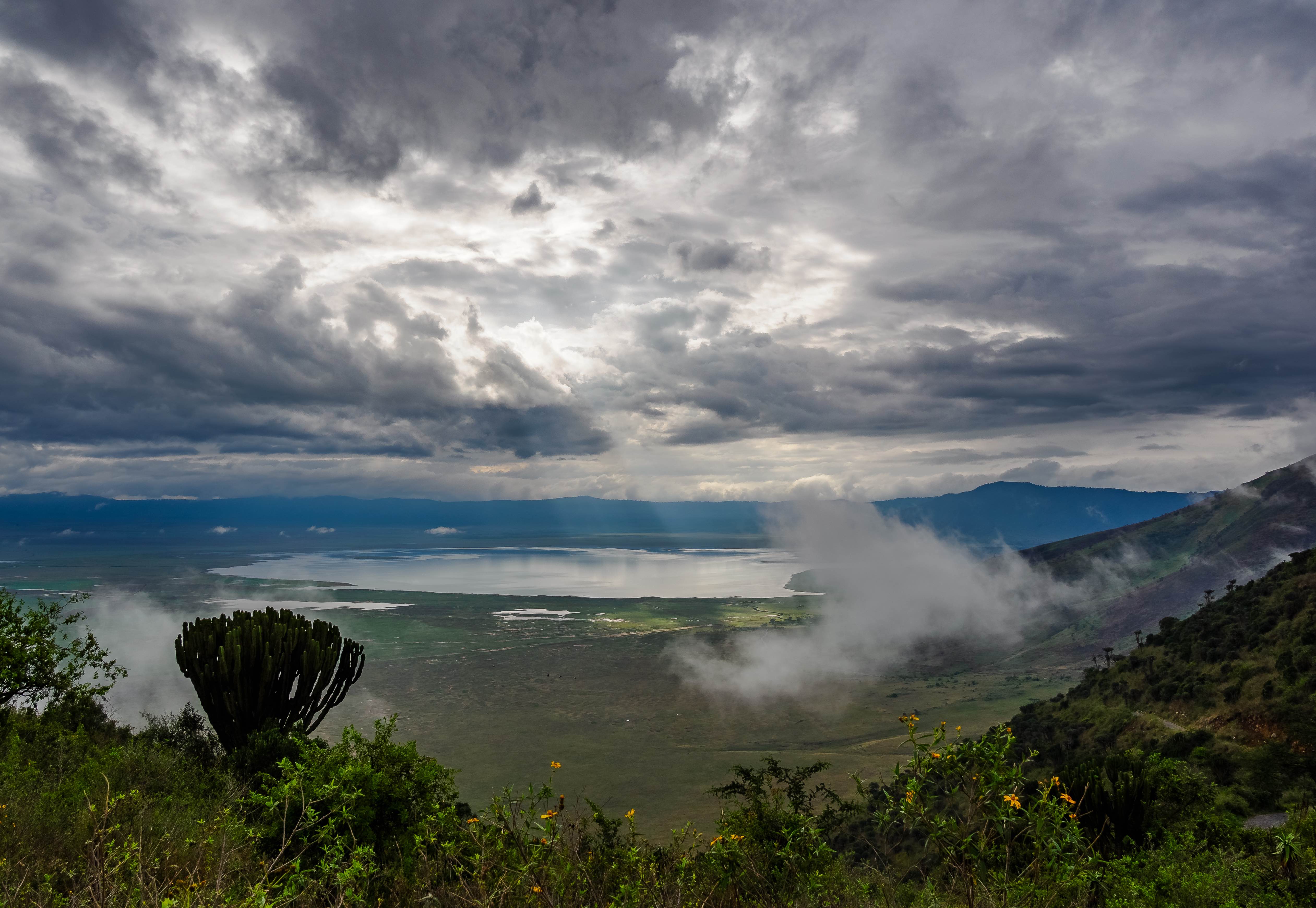
The Ngorongoro Conservation Area isn't a national park, so it's run by a separate authority with its own fees. You pay $70.80 per adult per 24 hours just to be in the conservation area, including when you drive through it on the way to the Serengeti. To actually drive down onto the crater floor, you pay a Crater Service Fee of $295 per vehicle, valid for about six hours.
That per-vehicle fee is the reason group size matters so much in Tanzania. Split between two people, it's $147.50 each. Split between six, it's under $50. Our Ngorongoro Crater guide covers how to plan the descent day.
5. The Distances Are Enormous
The drive from Arusha to the central Serengeti takes most of a day, and the northern Serengeti, where the river crossings happen from July to October, is further still. You either spend days of your trip on the road (paying park fees while you drive through) or you fly.
Scheduled light-aircraft flights from Arusha to Seronera in the central Serengeti start at around $240 one way, and flights to northern airstrips like Kogatende cost more. Most fly-in itineraries include two or three legs.
6. Private Vehicles and Guides Are the Norm
Most Tanzania safaris are built around a private 4x4 with a dedicated driver-guide, rather than shared vehicles from the lodge. You're paying for the vehicle, fuel, the guide's daily wage, accommodation and their park fees for the whole trip, whether you're travelling solo or as a family of four.
7. New Entry Levies Arrived in 2025 and 2026
Two new government charges now apply to most international visitors.
2026 update: Since 1 November 2025, a Passenger Facilitation Fee of $45 one way or $90 return has been added to international air tickets into Tanzania. Since 1 October 2026, mainland Tanzania also requires foreign visitors to buy a $44 government travel insurance policy, valid for 92 days, even if you already have your own cover. Zanzibar has required its own version since October 2024.
Add the $50 (100 for US citizens) and you're paying close to $200 per person in entry costs before you reach the first park gate. Our East Africa entry requirements guide covers how to buy each one.
Tanzania Park Fees 2026/27: What You'll Actually Pay
These are the fees for non-resident adults, including 18% VAT. Children aged 5 to 15 pay reduced rates, and under-5s go free. Fees are set by TANAPA (national parks) and the NCAA (Ngorongoro), and new schedules usually take effect on 1 July.
Park or charge | Entry fee per adult, per 24 hours | Concession fee if you sleep inside, per night |
Serengeti National Park | $82.60 (high season), $70.80 (15 Mar to 15 May) | Up to $70.80 |
Nyerere National Park | $82.60 (high season), $70.80 (low season) | Up to $70.80 |
Ngorongoro Conservation Area | $70.80 | Varies by lodge |
Ngorongoro Crater descent | $295 per vehicle, not per person | Not applicable |
Tarangire National Park | About $59 | About $47 |
Lake Manyara National Park | About $59 | About $47 |
Ruaha National Park | Lower tier than the Serengeti | $35.40 |
Mikumi National Park | Lower tier than the Serengeti | $29.50 |
Sources: Roadtrip Africa, Duma Explorer, African Safari Mag. Fees are indicative and can change. Always check that a quote uses the current tariff and includes VAT.
How Much Does a Tanzania Safari Cost Per Day?
A private mid-range Tanzania safari costs $500 to $900 per person per day, including park fees, accommodation, meals, a private vehicle and guide. Shared budget trips start around $250, and luxury fly-in safaris run from $900 to well over $1,600.
Tier | Per person, per day | What you get |
Budget | $250 to $450 | Shared 4x4 on a fixed route, campsites or simple lodges, often outside the park gates |
Mid-range | $500 to $900 | Private vehicle and guide, comfortable lodges and permanent tented camps, some inside the parks |
Luxury | $900 to $1,600+ | Prime-location tented camps, fly-in transfers, most drinks and activities included |
Ultra-luxury | $1,800 to $3,500+ | Private reserves such as Grumeti, very low guest numbers, dedicated guide and tracker |
Market ranges for 2026, per person sharing, excluding international flights. Source: African Safari Mag.
What Real Gotukio Itineraries Cost
Ranges are useful, but real trips are more useful. Here are Tanzania itineraries currently live on Gotukio, with their starting prices per person.
Itinerary | Nights | Parks | From (per person) |
3 | Tarangire, Lake Manyara | $810 | |
4 | Tarangire, Ngorongoro, Lake Manyara | $1,049 | |
3 | Ngorongoro, Serengeti | $1,115 | |
6 | Lake Manyara, Ngorongoro, Serengeti | $1,990 | |
8 | Ruaha, Zanzibar | $2,240 | |
8 | Ngorongoro, Serengeti, Zanzibar | $2,679 |
Notice the jump between the two three-night trips. Same length, but the Short Safari includes the Serengeti and the crater. Much of that $305 difference comes from the fees covered above. These are starting prices, and your dates, lodge choices and group size will move them.
What Isn't Included in the Daily Rate
Even a well-built quote leaves out a few costs. Budget for these on top:
International flights to Kilimanjaro or Dar es Salaam
Tanzania e-visa: $50, or $100 for US citizens
Mandatory mainland travel insurance: $44 per adult (since 1 October 2026)
Tips: around $15 to $25 per person per day for your guide, plus camp staff
Hot-air balloon safari over the Serengeti: around $500 to $600 per person
Premium drinks and laundry at lodges that don't include them
Is Tanzania More Expensive Than Kenya or Botswana?
Tanzania is usually a little more expensive than Kenya and much cheaper than Botswana. The gap with Kenya has narrowed since the Masai Mara doubled its peak-season fee.
Tanzania | Kenya | Botswana | |
Flagship park fee, peak, per adult per day | Serengeti $82.60, plus $70.80 if you sleep inside | Masai Mara $200 (July to December), $100 (January to June) | Usually built into all-inclusive camp rates |
Budget, per person per day | $250 to $450 | $250 to $350 | $500 to $800 |
Mid-range, per person per day | $500 to $900 | $350 to $600 | $800 to $1,500 |
Luxury, per person per day | $900 to $1,600+ | $700 to $1,500+ | $1,500 to $3,000+ |
Example Gotukio trip | Northern Circuit, 6 nights from $1,990 | Kenyan Classics, 7 nights from $2,450 | Botswana Classics, 6 nights from $6,390 |
Distance between parks | Long; often fly-in | Shorter; most parks reachable by road from Nairobi | Remote; almost always fly-in |
Sources: Imara Africa Safaris for Kenya tiers and the Mara fee, African Safari Mag for Tanzania tiers, and our own Botswana cost guide.
Tanzania vs Kenya on Cost
Kenya's main advantage is compactness. The Masai Mara is a 45-minute flight or a long day's drive from Nairobi, and you can combine it with Amboseli or Lake Nakuru without huge transfer costs. Tanzania's parks are further apart, so you spend more on flights or more days in the vehicle.
But the Mara's $200 peak fee changed the maths in 2026. A Mara ticket also lasts 12 hours rather than 24. For a July to October migration trip, staying inside the Serengeti ($153.40 per day in fees) now costs less in fees than a day in the Mara reserve. If you're torn between the two countries, our Kenya vs Tanzania comparison covers wildlife, crowds and timing as well as cost.
Tanzania vs Botswana on Cost
Botswana costs roughly double at every tier. It runs on a fly-in, all-inclusive, private-concession model that gives you more exclusivity, with off-road driving, night drives and walking usually included. Tanzania gives you more wildlife volume and the Great Migration for less money. We cover the Botswana side in full in Why Is Botswana So Expensive?
Is a Tanzania Safari Worth the Money?
For most first-time safari travellers, yes. Tanzania gives you more of the experiences people picture when they think of safari, in one country, than anywhere else in Africa.
The Serengeti hosts most of the Great Migration for most of the year. The Ngorongoro Crater packs lions, elephants, buffalo and one of East Africa's last black rhino populations into a single caldera you can explore in a morning. Tarangire has some of the biggest elephant herds on the circuit in the dry season. And if you want quiet, the southern parks like Ruaha and Nyerere feel like a different country altogether.
The fees aren't a markup either. Park revenue funds rangers, anti-poaching and the upkeep of protected areas, and a share supports the communities living alongside the parks. We look at how that works in How Does Safari Tourism Support Local Communities in East Africa?
Pros
The Great Migration is in Tanzania for roughly nine months of the year, including calving season in Ndutu from January to March
The Ngorongoro Crater offers some of the most reliable Big Five viewing in Africa in a single day
Huge range of parks, from the classic Northern Circuit to the uncrowded Southern Circuit
Easy to combine with Zanzibar for a bush-and-beach trip
Much cheaper than Botswana for a comparable level of comfort
Cons
Fees stack up quickly, especially for solo travellers who can't split the crater and vehicle costs
Long distances mean either expensive flights or long road days
The central Serengeti and crater floor can feel busy in peak season
Off-road driving, night drives and walking are restricted inside the national parks
New entry costs (insurance and the passenger fee) add close to $135 per person on top of the visa
Who Is Tanzania Best For?
Tanzania is a great fit for first-time safari travellers who want the iconic experience, migration chasers (especially for calving season or the Mara River crossings), families and small groups who can share a vehicle and split per-vehicle costs, and anyone planning a bush-and-beach trip with Zanzibar.
It's a harder sell for solo travellers on a tight budget, who carry the full cost of the vehicle and crater fee alone, and for returning safari travellers who want exclusivity and walking safaris. They may get more from a Kenyan conservancy or Botswana.
How to Save Money on a Tanzania Safari
The fees are fixed, but how many of them you pay isn't. These are the levers that actually move the price.
Travel in the Green Season
From 15 March to 15 May, Many lodges cut their rates by around 30%. You'll get rain, usually in afternoon bursts, but also green landscapes, newborn animals and far fewer vehicles. November and early December are a good middle ground, with short rains and shoulder-season prices.
Fill the Vehicle
The Crater Service Fee, the 4x4 and the guide are all charged per vehicle. A family or group of four pays a quarter of each per person compared with a solo traveller. If you're travelling as a couple, ask whether a joining or small-group departure is available on your dates.
Mix Top-Tier and Lower-Tier Parks
You don't need four days in the Serengeti to have a great safari. Tarangire and Lake Manyara charge about $59 a day instead of $82.60, and Tarangire in the dry season is spectacular for elephants. Two well-placed Serengeti nights plus a day each in Tarangire and the crater gives you the classic circuit without paying top-tier fees every day.
Look South
The Southern Circuit has lower concession fees ($35.40 a night in Ruaha, $29.50 in Mikumi) and far fewer vehicles. Partners like Ruaha River Lodge, Rufiji River Camp in Nyerere and Vuma Hills in Mikumi make it easy to build a quieter trip. Our Southern Circuit guide covers all three parks.
Fly One Way, Drive the Other
Driving from Arusha to the Serengeti lets you stop at Tarangire, Manyara or the crater on the way. Flying back saves a full day on the road. You get the scenery and the time saving, and pay for only one flight.
Ready to start planning? On Gotukio you can build your custom Tanzania safari in minutes, with real itineraries, transparent pricing and no waiting for quotes. Start building your Tanzania safari →
Insider Tips for Better Value in Tanzania
Compare quotes on the all-in total. A quote that looks 20% cheaper often has park fees, VAT, concession fees or flights sitting outside it. Ask for the total per person for the same dates, with every fee included.
Watch the 24-hour gate clock. Entry fees run in 24-hour blocks from the time you pass the gate. A guide who times your Serengeti exit well can save you a full day of fees.
Descend into the crater at opening time. The descent roads open at 6am, and the $295 fee covers about six hours on the crater floor. Going early gets you the best light, the most active animals and fewer vehicles.
Know that Ndutu isn't in the Serengeti. The Ndutu calving area sits inside the Ngorongoro Conservation Area, so camps there charge NCA fees rather than Serengeti concession fees. It's worth knowing when you compare January to March quotes.
Stay in Karatu rather than on the crater rim. Lodges in the Karatu highlands cost noticeably less than rim lodges and are still a short drive from the descent road.
Bring the kids. Children aged 5 to 15 pay reduced park fees and under-5s go free, so family safaris cost less per head than you'd expect. Check minimum age rules at your chosen camps first.
Buy the $44 insurance before you fly. You can buy mainland cover online through the National Insurance Corporation before travel, which saves time at the airport. Without it, you can be refused entry.
Book migration camps 9 to 12 months ahead. Northern Serengeti camps for July to October and Ndutu camps for February fill first. Booking late usually means paying more for whatever is left.
Planning a Tanzania safari? Build your trip at gotukio.com: browse verified itineraries, see transparent pricing, and book online in minutes.
Frequently Asked Questions
Why is Tanzania so expensive for safaris?
Tanzania charges park fees per person for every 24 hours inside each park, adds 18% VAT, and charges a separate concession fee for every night you sleep inside a national park. On top of that come the $295 per-vehicle Ngorongoro Crater fee, long distances between parks and the cost of a private vehicle and guide. On a five-day Northern Circuit loop, government fees alone come to about $650 per person.
How much does a 7-day Tanzania safari cost?
A 7-day private mid-range safari typically costs $3,500 to $6,300 per person, based on $500 to $900 per day. Shared budget safaris start around $1,750 per person, and luxury fly-in trips can pass $10,000. International flights, visas, the $44 entry insurance and tips are extra.
How much is the Serengeti entrance fee in 2026?
The Serengeti conservation fee for non-resident adults is $82.60 per 24 hours in high season and $70.80 from 15 March to 15 May, both including 18% VAT. If you sleep inside the park, you also pay a concession fee of up to $70.80 per night. Fees usually change on 1 July, so check the current tariff before you book.
How much does it cost to go into the Ngorongoro Crater?
You pay $70.80 per adult per 24 hours to enter the Ngorongoro Conservation Area, plus a Crater Service Fee of $295 per vehicle to drive down to the crater floor. The vehicle fee is shared by everyone in the car, so a couple pays $147.50 each and a group of four pays $73.75 each.
Is Tanzania more expensive than Kenya?
Usually slightly, mainly because Tanzania's parks are further apart and more trips involve flights. But the gap has narrowed. Since July 2026, the Masai Mara charges non-resident adults 200perdayfromJulytoDecember,whichismorethanadayofSerengetientryplusconcessionfees(153.40).
What is the cheapest time to go on safari in Tanzania?
The long rains from mid-March to May are the cheapest period. The Serengeti entry fee drops to $70.80 and many lodges cut rates by around 30%. Some camps close during April and May, so the choice of lodges is smaller. November and early December offer a good balance of lower prices and reliable wildlife.
Do I need travel insurance to enter Tanzania?
Yes. Since 1 October 2026, most foreign visitors entering mainland Tanzania must buy a $44 government travel insurance policy from the National Insurance Corporation, even if they already have their own cover. It's valid for 92 days. Zanzibar has required its own policy since October 2024. You should still carry comprehensive travel insurance, because the government policy has limited cover.
Are park fees included in Tanzania safari prices?
In most full safari packages, yes, but not always. Some budget quotes list park fees separately, and some leave out the concession fee or the 18% VAT. Always ask whether conservation fees, concession fees, VAT and the crater fee are all included before you compare prices.
Read More
Join the GoTukio Travel Club!
Receive exclusive inspiration and deals for your next trip.