Yes, Tanzania is safe to visit in 2026, and over a million international tourists are doing exactly that this year.
The country has a travel advisory flag that some nationalities will encounter when researching, but it has not affected Tanzania's safari circuit, its beaches, or the day-to-day experience of the tourists visiting them. The Serengeti, Ngorongoro Crater, Kilimanjaro, Zanzibar, and Tarangire are operating normally. Operators are running full programmes and lodges are open and running as usual.
What Tanzania requires, like any destination that rewards proper preparation, is that you understand where the real risks are, what they look like in practice, and how they apply to your specific trip. That's what this guide is for.
Based on Gotukio's experience working with verified operators across Tanzania's northern and southern circuits, and current guidance as of June 2026.
Is the Safari Circuit Safe?

Tanzania's northern safari circuit made up of the Serengeti, Ngorongoro Crater, Tarangire and Lake Manyara, is safe for tourists in 2026. This is where the overwhelming majority of Tanzania's international visitors travel, and it is one of the safest ways to experience Africa.
Safari parks are remote, patrolled by rangers, and accessed exclusively via guided, organised itineraries. You spend your days in a private vehicle with a professional guide and sleep in lodges and camps that are staffed around the clock with controlled access. The risks that exist in cities like opportunistic theft, traffic, political gatherings are simply not present in the same way in the bush.
Tourism is the economic engine of the northern circuit. The communities and authorities around the Serengeti and Ngorongoro have every incentive to keep that circuit functioning well for visitors, and they do.
The honest caveats: wildlife is not a hazard on a properly guided safari, but it requires respect. Stay in the vehicle on game drives and follow your guide's instructions and don’t walk outside camp boundaries at night. These aren't complicated rules and your guide will cover them on arrival. Beyond that, your main practical risks on safari are health-related: malaria on the coast, sun, altitude if you're adding Kilimanjaro, rather than security-related. More on that in the health section below.
Tanzania's southern circuit made up of Ruaha, Mikumi and Nyerere (formerly Selous), is equally safe and even less visited. Logistics are more complex and typically involve additional domestic flights, but the safari experience is excellent and operators on both circuits are experienced and professional. Read more about the southern circuit in our dedicated article.
Is Zanzibar Safe?
Zanzibar is safe for tourists in 2026. It consistently ranks as one of the most popular beach destinations in the Indian Ocean and for good reason as the beaches are world-class, the infrastructure for international visitors is mature, and serious incidents targeting tourists are rare.
The beach areas, Nungwi and Kendwa on the north coast, Paje and Jambiani on the east, are holiday-resort environments with everything that entails: hotels with private security, well-trodden excursion routes, and staff accustomed to international visitors. Your day-to-day experience here is closer to a Mediterranean beach holiday than an off-grid adventure.
Stone Town is different in character. A proper, lived-in UNESCO heritage city with narrow streets, a working port, and genuine depth of culture. It warrants the same awareness you'd bring to any historic city centre: keep your phone in your pocket, don't walk alone in quiet streets after dark, and be firm but polite with the touts near the main tourist squares. It's not a dangerous place; it just requires basic urban awareness.
A few Zanzibar specifics worth knowing before you go:
Dress matters. Zanzibar is majority Muslim and dress norms are taken seriously, particularly outside resort areas. In Stone Town and inland villages, covering shoulders and knees is respectful and reduces unwanted attention. On the beach, normal beachwear is fine within resort grounds.
Tidal conditions require local knowledge. The tidal range around Zanzibar is significant as some beaches are only swimmable for a few hours a day, and currents can be powerful. Ask your hotel which beach is suitable and when before entering the water. This is the most consistent practical risk for Zanzibar tourists and it's entirely avoidable with five minutes of conversation at check-in.
Persistent vendors are part of the northern beach experience. Nungwi in particular has a well-established informal economy of beach vendors and unofficial guides. They're not aggressive, but they're persistent. A polite, consistent response manages it fine. Book any excursions through your hotel.
Is Arusha Safe?
Arusha is the main gateway for Tanzania's northern safari circuit as most international flights route through Kilimanjaro International Airport (JRO), and travellers typically pass through Arusha at both ends of their trip. It is generally safe for tourists.
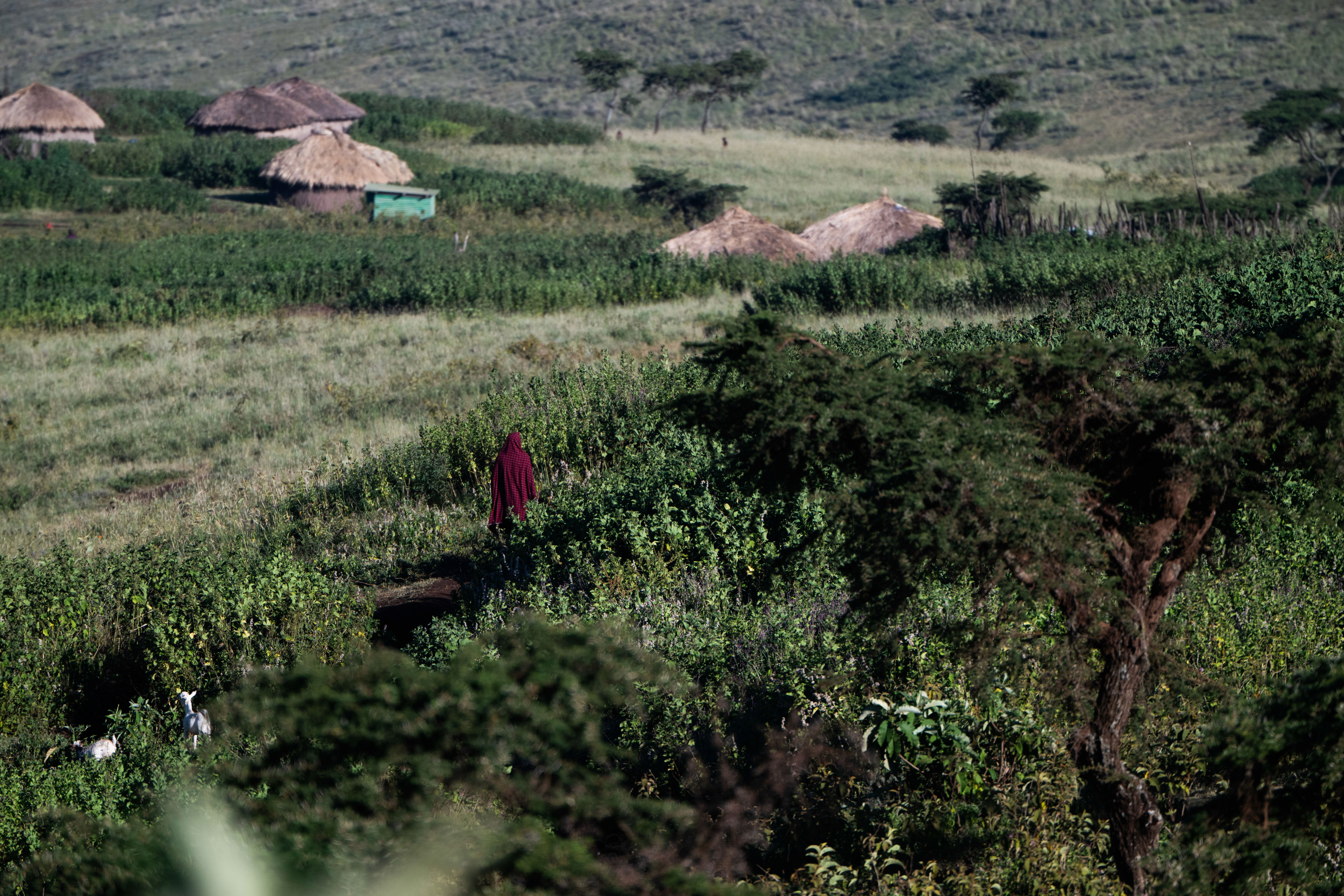
The city has been hosting international safari visitors for decades and the infrastructure reflects that. Airport transfers, lodge-arranged pickups, and established hotel areas mean most visitors move through without engaging much with the city at large. If you do have time in Arusha, it's worth an afternoon if you're interested in Maasai culture and the surrounding foothills landscape, the same precautions apply as in any busy East African city.
Practical things that matter in Arusha:
Use your lodge or operator's recommended transport rather than unlicensed street taxis. Bolt is available and reliable.
The clock tower area and Central Market attract scam approaches. Politely decline any unsolicited 'assistance' from strangers near tourist spots.
Don't walk alone after dark, particularly on poorly lit streets between the hotel strip and the town centre.
Keep cameras and phones out of sight in busy areas. Bag snatching does occur, most often in the market district.
None of this is unique to Arusha, it's standard advice for any East African city of this size. The overwhelming majority of visitors pass through without incident.
Is Dar es Salaam Safe?
Most Tanzania safari itineraries route through Dar es Salaam only for an airport connection, and many don't stop in the city at all. If you're spending a night there, the picture is more mixed than Arusha.
Dar is a large, fast-growing commercial city with real urban crime. Petty theft, phone snatching, and bag grabs happen in busy areas. Carjacking has been reported, particularly after dark. The city centre warrants genuine caution, not just standard urban awareness.
The practical response is straightforward: stay in the northern suburbs like Masaki, Oyster Bay, Msasani Peninsula, where the international hotels, restaurants, and expat community create a more manageable environment. Use Uber or Bolt exclusively for transport and don't walk at night. If your itinerary routes through Dar, book a transit hotel through your operator rather than navigating independently.
If your itinerary allows you to skip an overnight in Dar entirely by routing Nairobi to Kilimanjaro directly, or connecting via Addis or Doha, that's worth considering, as the city adds complexity to an itinerary without adding experience.
Areas to Avoid in Tanzania
The areas that carry genuine risk warnings are far from any standard tourist itinerary:
The Mtwara and Lindi regions in Tanzania's far south, within 20km of the Mozambique border, have seen spillover from the Cabo Delgado insurgency across the border. The UK FCDO advises against all but essential travel here. This region is over 1,000km south of the Serengeti and does not appear on any safari or beach itinerary.
Refugee camps in the Kigoma region, near the Burundi and DRC borders in western Tanzania, carry advisory flags due to instability in neighbouring countries. Again: not on any tourist circuit.
Remote northeastern border areas near Somalia. Not on any tourist circuit.
The geographic reality is that every restricted zone sits hundreds of kilometres away from the Serengeti, Ngorongoro, Kilimanjaro, Zanzibar, or Arusha. A standard Tanzania trip does not bring you near any of them.
Is Tanzania Safe for Solo Travellers?
Yes, with the nuances that apply to solo travel anywhere.
The safari environment is well-suited to solo visitors. You travel in a vehicle with a guide, sleep in staffed accommodation, and are rarely genuinely alone in the field. Even if you've booked a solo itinerary, you're operating within a guided, managed infrastructure. The solo-specific risks arise mainly in cities like Arusha and Dar, where standard precautions reduce risk significantly.
One practical note: single supplements at lodges can push solo safari costs up considerably. Some operators offer shared-vehicle options for solo travellers, which reduces cost and often means you meet other travellers.
Is Tanzania Safe for Female Travellers?
Yes. Tanzania is one of Africa's more established destinations for solo female travel, and many women travel independently here every year without problems.
On safari, the guided nature of the experience makes it inherently structured and safe. In Zanzibar's resort areas, the environment is no different to any beach destination. The practical risks for female travellers are concentrated in cities, particularly walking alone at night, and on beaches after dark.
Cultural norms around dress are worth knowing. In Muslim coastal areas like Stone Town, inland Zanzibar villages, Dar es Salaam's older neighbourhoods, modest dress is both respectful and reduces unwanted attention. On the northern safari circuit this matters less, but a light scarf is always useful.
Tanzania is conservative by European standards and public displays of affection attract attention. This applies to heterosexual as well as same-sex couples.
Is Tanzania Safe for Families?
Tanzania is an outstanding family destination and is visited by families with children of all ages every year.
The northern safari circuit works particularly well for families with children old enough to stay focused during game drives, generally seven and above, though this varies by child. Camps with dedicated family programmes, interconnected tents, and guides experienced with younger guests exist across the circuit. Zanzibar's beach holiday component is easy and child-friendly, with calm shallow-water options on the west coast.
The main family-specific considerations are health rather than security: malaria prophylaxis options vary by age, young children can struggle with heat, and altitude matters if Kilimanjaro or the Ngorongoro rim are on the itinerary. Consult a travel health specialist before booking with young children, and choose an operator experienced in family travel as the logistics of bush camps with toddlers are genuinely different to those with teenagers.
What About the Travel Advisory?
This section is here because some readers will have encountered the US State Department's Level 3 advisory for Tanzania and want it addressed directly.
In October 2025, Tanzania held presidential elections. Disputes over the result led to protests in Dar es Salaam. The US upgraded its advisory from Level 2 to Level 3 in response and it has remained there since, citing unrest, crime, terrorism risk (concentrated in the far southern Mtwara Region), and risks to LGBTQ+ travellers.
The safari circuit, Zanzibar, and Arusha were not affected during or after the election period and continue to operate normally. The UK FCDO, the relevant authority for British travellers, does not advise against travel to any standard tourist destination in Tanzania, restricting its warnings to the southern border zone only.
If you're a US citizen, check the current advisory at travel.state.gov before booking and verify your travel insurance covers Tanzania under its current advisory status as policies vary. British travellers can book Tanzania without insurance complications provided their itinerary stays within normal tourist areas, which all standard itineraries do.
Always check the most current advice from your own government before travelling, as advisories can be updated at any point.
Health and Practical Safety
These are the risks that actually affect tourists in Tanzania, and they're manageable with preparation.
Malaria is present across Tanzania including the Serengeti, Zanzibar, and Dar es Salaam. Take prescribed antimalarial prophylaxis, use DEET repellent at dawn and dusk, sleep under a net where provided, and wear long sleeves and trousers in the evenings. Malaria is serious and preventable.
Vaccinations. See a travel health clinic at least six weeks before departure. Yellow fever documentation is required if arriving from certain countries and worth carrying regardless. Hepatitis A, Typhoid, and Tetanus are all recommended.
Water. Tap water is not safe to drink. Bottled water is available everywhere on the tourist circuit. Good camps provide filtered water for refilling so ask, to reduce plastic waste.
Travel insurance with medical evacuation cover is essential. Medical facilities outside Arusha and Dar es Salaam are limited. Evacuation from a remote park can cost $50,000 USD or more. Ensure your policy covers your planned activities like safari, altitude trekking if you're doing Kilimanjaro, water sports in Zanzibar, and check it explicitly covers Tanzania given current advisory levels.
Road safety. Vehicle accidents are a genuine risk in Tanzania, particularly on roads between Arusha and the parks. Night driving is especially dangerous. Use your operator's recommended vehicles. Do not self-drive. This is one area where using a reputable operator directly reduces your risk. If you feel that your driver is being unsafe when driving, raise the concern immediately with your operator’s point of contact.
Altitude. Kilimanjaro is serious. The standard routes reach above 5,800 metres. Acclimatise properly, choose a route with adequate days, and be honest with your guide about any symptoms. Altitude sickness can affect fit people unexpectedly.
Frequently Asked Questions
Is Tanzania safe for tourists in 2026?
Yes. Tanzania's main tourist areas like the Serengeti, Ngorongoro Crater, Tarangire, Kilimanjaro, and Zanzibar are safe, well-managed, and operating normally. Millions of visitors travel to Tanzania every year without serious incident. The real risks are urban petty crime in Arusha and Dar es Salaam, health-related concerns like malaria, and road safety. All are manageable with preparation and a reputable operator.
Is the Serengeti safe?
Yes. The Serengeti is remote, ranger-patrolled, and accessed exclusively through guided safari operations. Crime in the park is virtually non-existent. Your guide and lodge take care of all logistics and safety protocols. The risks in the Serengeti are nature-related like wildlife, insects, sun, not security-related.
Is Zanzibar safe right now?
Yes. Zanzibar's resort areas and Stone Town are safe for tourists in 2026. Use standard city precautions in Stone Town, dress modestly outside beach resorts, and ask your hotel about tidal conditions before swimming. Beach resort areas are well-managed and tourist-friendly.
Is Tanzania safe compared to Kenya?
Both countries are safe for safari tourists with broadly similar risk profiles. Urban petty crime in the main cities, very low risk on the safari circuit itself. Kenya currently holds a US Level 2 advisory versus Tanzania's Level 3, with the Tanzania rating reflecting specific post-election events in late 2025 that did not affect the safari circuit. For the safari experience itself, the choice between the two should be driven by what you want to see rather than safety concerns.
What vaccinations do I need for Tanzania?
At minimum: Yellow fever documentation is required if arriving from certain countries but worth carrying regardless. Tetanus should be up to date and Typhoid is recommended. See a travel health clinic at least six weeks before departure for personalised recommendations based on your itinerary and medical history.
Is Tanzania safe for a honeymoon?
Yes. Tanzania combines two of the best honeymoon experiences in the world: private safari camps and Zanzibar beaches in a single trip. The northern circuit's luxury lodges are particularly well-suited to couples, with private tents, exceptional food, and a level of seclusion that's hard to find elsewhere. Zanzibar's beach resorts are established honeymoon destinations with strong romantic infrastructure.
Do I need travel insurance for Tanzania?
Yes, and not a basic policy. Tanzania's remote safari areas mean that medical evacuation is a real possibility as costs can exceed $50,000 USD. Your policy needs to cover medical evacuation, your specific activities (safari, altitude trekking if relevant, water sports), and needs to be valid in Tanzania under its current advisory status. Check before booking.
Planning a Tanzania safari? Build your trip at gotukio.com Browse verified itineraries, see transparent pricing, and book online in minutes.
Join the GoTukio Travel Club!
Receive exclusive inspiration and deals for your next trip.