What makes a safari more complex than a typical vacation?
Unlike city breaks or beach holidays, a safari isn’t a single destination, it’s a multi-layered experience involving logistics, wildlife movements, conservation rules, and varying levels of comfort. Each decision affects the overall experience: which park, which camp, which operator, which season, which activities, which transfers, which wildlife behavior patterns.
A safari is built, not booked.
Why doesn’t “search → compare → book” work the same way when booking a safari?
Most travel segments can be compared on price, hotel star-rating, and location.
Safaris can’t.
The choices you make for your safari itinerary will affect:
Wildlife density
Access to key areas
Guiding quality
Vehicle standards
Exclusivity
Conservancy vs national park rules
Seasonality
Style (rustic tents → ultra-luxury lodges)
Two camps in the same park can deliver completely different experiences.
Why is choosing the right park or conservancy so important?
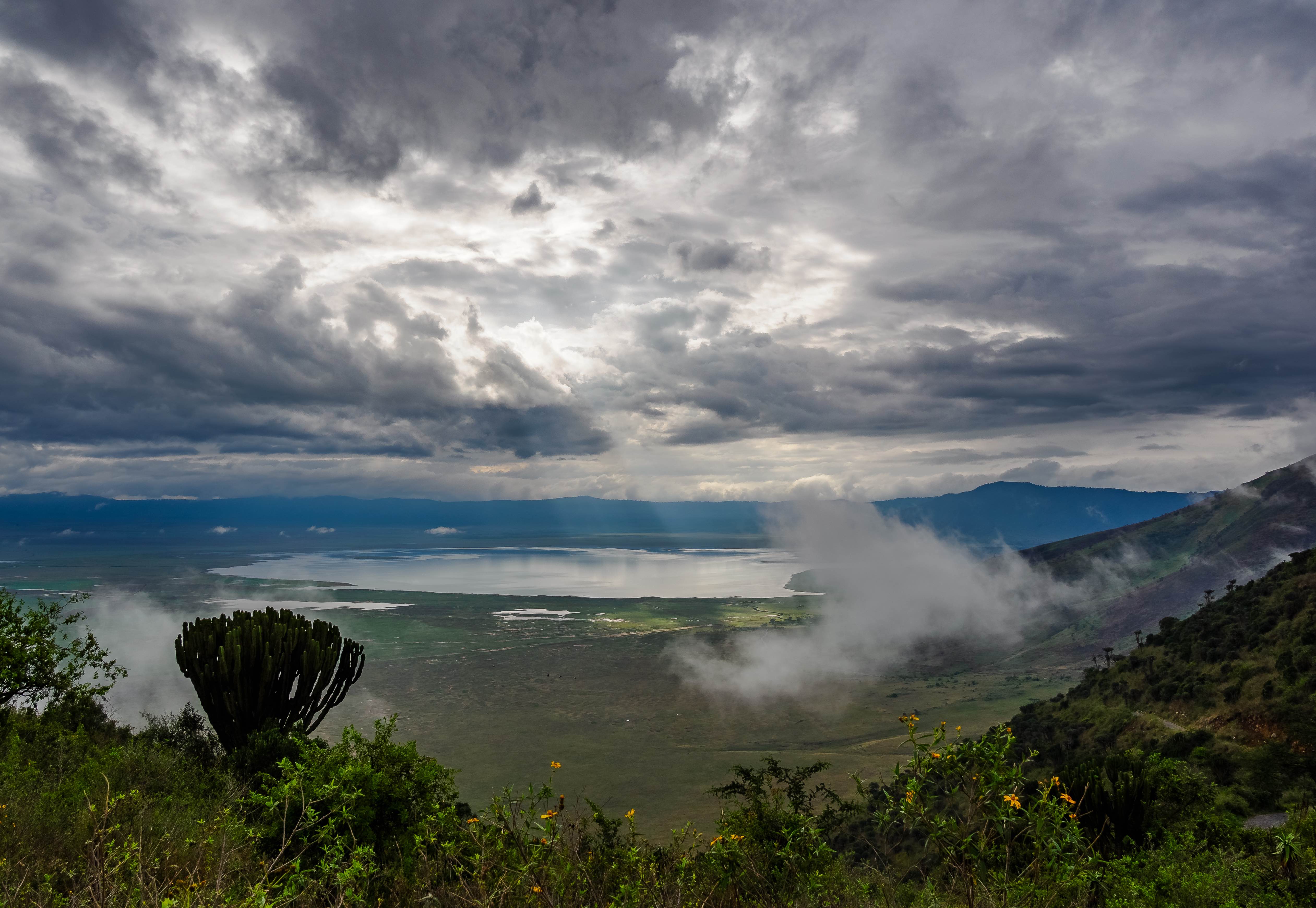
Wildlife viewing isn’t uniform. Some parks are known for predators (Masai Mara), others for elephants (Amboseli), rhino conservation (Ol Pejeta), primates (Bwindi, Volcanoes), or remote wilderness (Ruaha, Kafue).
Even within a park, the region matters:
Central Serengeti ≠ Northern Serengeti.
Mara Triangle ≠ Greater Mara Conservancies.
Choosing wrongly can mean being hours from the best sightings.
Why do seasons matter more on safari than on any other trip?
Season determines:
wildlife movements
vegetation density
accessibility
weather
camp pricing
crowds
The Great Migration, calving season, green season, dry season—all dramatically change what you see and how you experience it. Booking a safari without considering seasonality is like booking a ski trip without checking for snow.
Why is availability so limited?
Actually, it’s not. It really depends on when and where you want to go.
If you are looking to go during the peak of the migration season, you might not get availability for your preferred lodge if it’s a popular one - some lodges do sell out. However, if you plan in advance, you will always be able to find something that works for you.
Gotukio.com tip: If you are looking to book in the peak season and are late, try requesting under 30 days to your desired check-in as a lot of rooms get freed up from cancellations.
Unlike hotels, many safari properties don’t appear on booking sites or update live availability. Operators and platforms (like Gotukio) coordinate directly with camps to lock in space.
Why do transfers and logistics get complicated?
Safaris can involve a mix of:
Bush flights
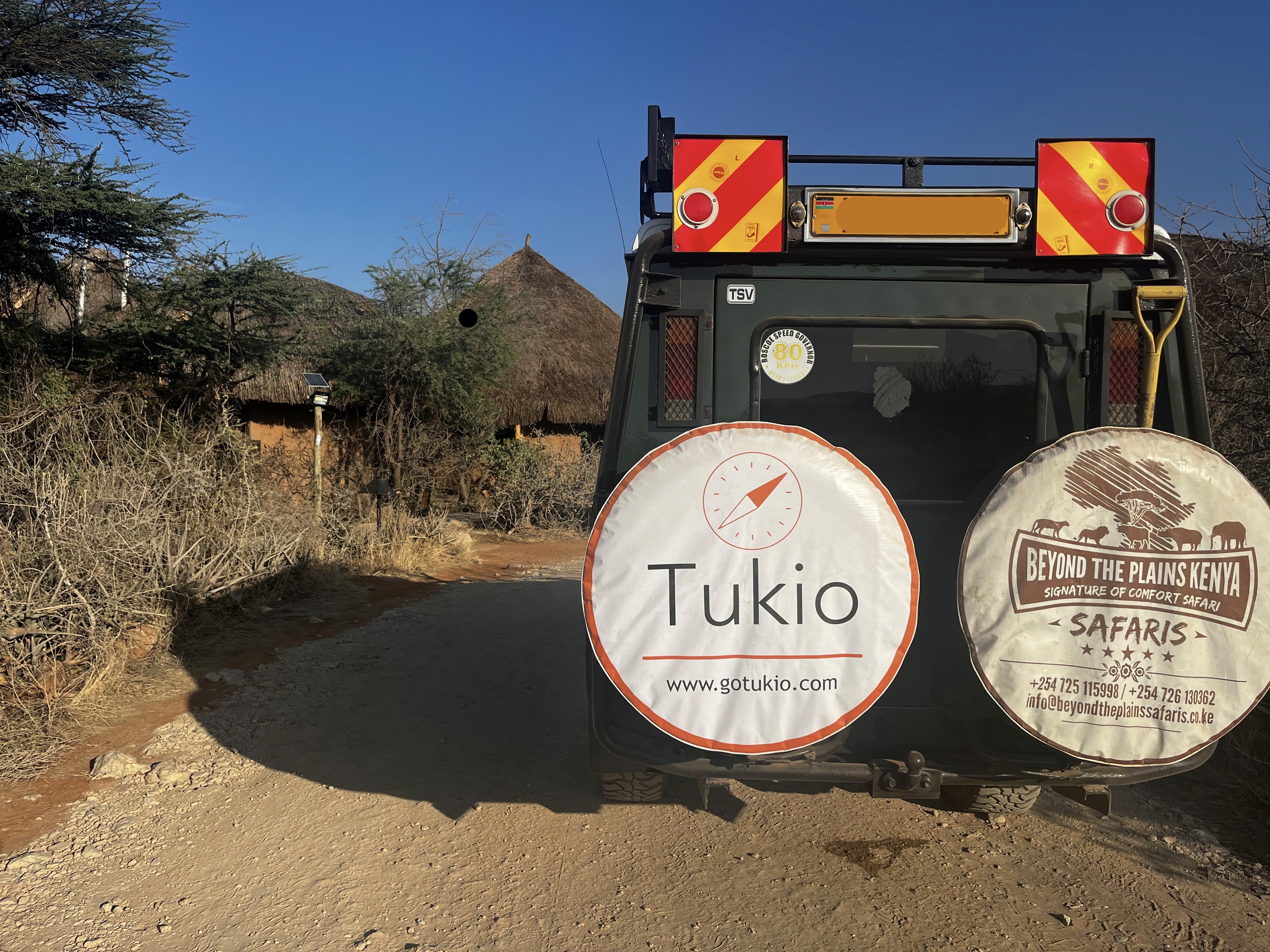
4×4 or safari van transfers
Park fees
Conservancy fees
Border crossings (Kenya/Tanzania combinations)
Timing restrictions (gate closing hours, flight curfews)
Lodge location
A small mistake like booking a flight arriving too late, can mean missing an entire game drive or even needing to rework the itinerary.
Other than the booking of the lodge you will stay in, a safari booking will also require the booking and payment of your transportation, activities and various fees. These are usually handled by a local tour operator, of which there are hundreds and getting accurate reviews can be tricky. Picking the wrong operator can turn your dream trip into a nightmare.
Why do prices vary so dramatically?
Safari pricing depends on:
Season
Camp category
Camp Location
Park and Conservancy fees
Quality of tour operator
Internal flights
Unlike traditional holidays, safari pricing isn’t standardized. A “mid-range” safari can be $300 - 600 per person per night, while ultra-luxury can exceed $2,000. The difference is rarely about “luxury” alone, it’s about experience quality, wildlife access, and conservation contributions.
Why is guidance from experts essential?
Generic travel algorithms don’t understand:
Which camps consistently deliver sightings
Which regions are overbooked
Which operators maintain vehicle standards
Where animals are currently moving
Which properties overpromise
Where you’ll get the best value for your travel goals
Safari specialists (and platforms like Gotukio.com) match travelers to the right locations and partners. This can make the difference between an average safari and a life-changing one.
Why are safaris built around conservation and communities?
Booking a safari isn’t just a trip, it’s participation in a conservation economy.
Your spend directly supports:
Wildlife protection
Anti-poaching units
Local employment
Community-owned conservancies
Habitat preservation
This ethical layer simply doesn’t exist in traditional tourism, where your spend rarely affects the environment or wildlife directly.
Why is your personal travel style more important on safari?
A safari can be:
Rustic or ultra-luxurious
Fast-paced or slow and immersive
Family-friendly or adults-only
Focused on photography, birding, predators, or culture
Designing the itinerary involves understanding what you are looking for as a traveler, far more than a typical holiday requires.
So… why is booking a safari different?
Because a safari is a custom-built experience, shaped by ecology, wildlife behavior, conservation, logistics, and personal preferences. It’s not a commodity to be browsed; it’s a journey to be crafted.
And that’s exactly why platforms like Gotukio.com exist, to make the complex world of safaris transparent, bookable, and stress-free.
Join the GoTukio Travel Club!
Receive exclusive inspiration and deals for your next trip.